NBA Live Betting Statistics: In-Play Trends Analysis
 Available in US
Table of Contents
- Tracking In-Play NBA Live Betting Trends
- UK Timing: Live Betting NBA Games at Night
- Quarter-by-Quarter Scoring Patterns
- How Live Spreads Move During Games
- NBA Comeback Statistics: When to Bet the Trailer
- Live Totals Betting: Pace Adjustments in Real-Time
- Live Player Props: In-Game Performance Markets
- NBA Live Betting Questions
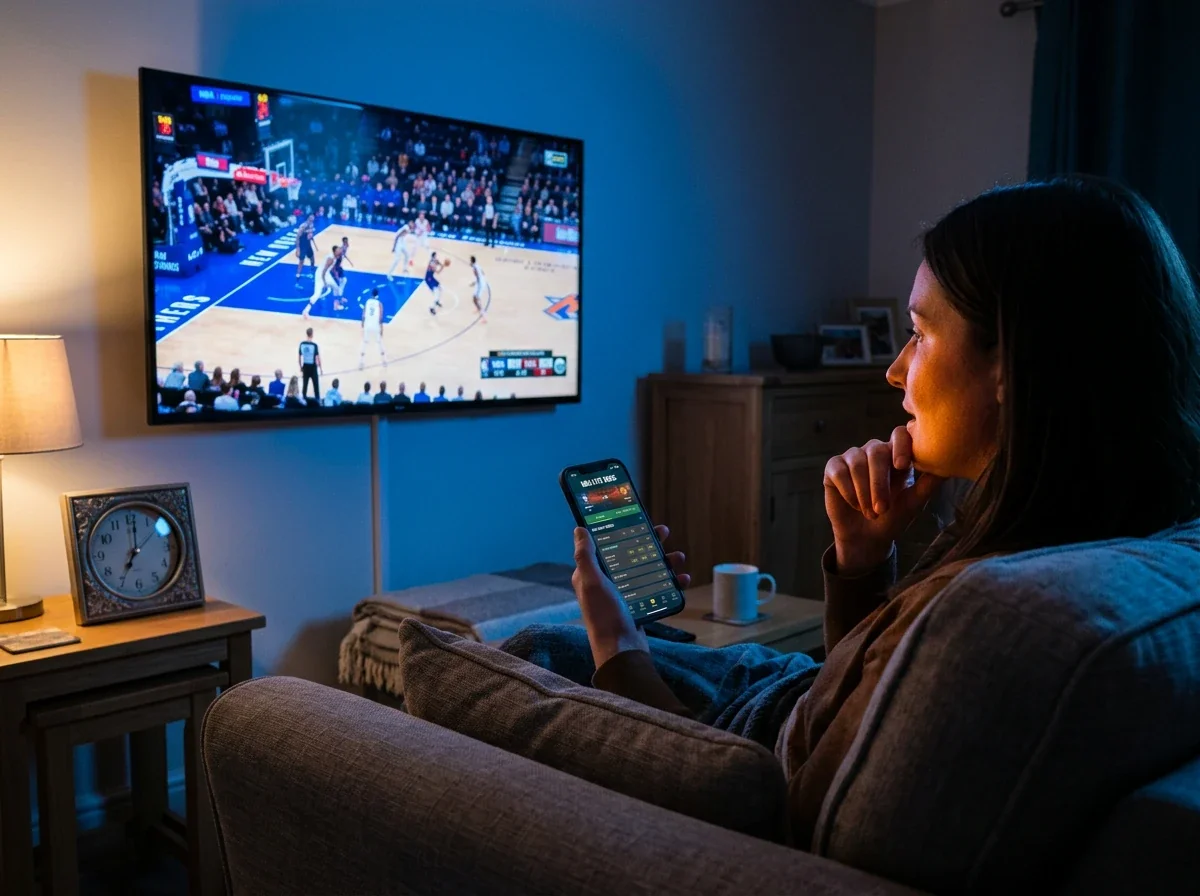
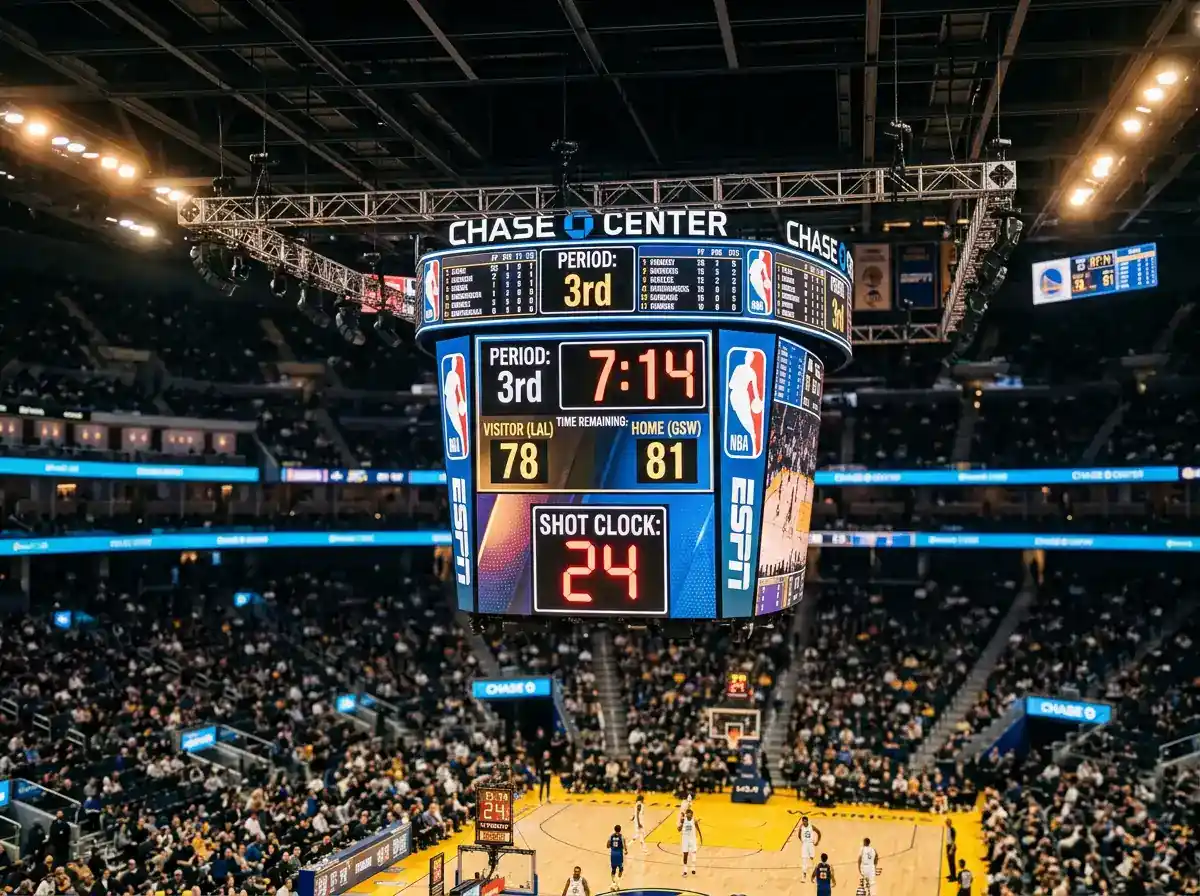
I made more money in Q4 live betting last season than in every pre-game spread bet combined. That’s not an exaggeration – the in-play markets rewarded attention and quick thinking in ways pre-game lines never could. While most bettors locked in their wagers before tip-off and hoped, I was adjusting positions based on what was actually happening on the court.
Live betting has exploded from novelty to dominant market segment. The action happens fast, the edges appear and disappear in minutes, and the analytical framework differs completely from pre-game handicapping. You’re not predicting what will happen over 48 minutes – you’re evaluating what’s happening right now and how the market has priced the remaining game.
Live betting now accounts for 62.35% of the online sports wagering market in the US. During major events, that share climbs even higher – DraftKings reported that live wagers made up over 70% of their total betting handle during UEFA Champions League quarterfinals in April 2024. NBA regular season games don’t quite match that intensity, but the trend is clear: live betting is where the action – and increasingly, the edge – resides.
This guide breaks down the live betting landscape for NBA games, with specific attention to how UK bettors can navigate the late-night timing challenges. I’ll cover quarter-by-quarter patterns, live spread mechanics, comeback situations, and the player prop markets where the biggest inefficiencies often hide.
Tracking In-Play NBA Live Betting Trends
The numbers tell a story of transformation. Live betting’s share of total handle has grown every year since widespread legalisation, and the NBA’s game structure makes it particularly suited to in-play wagering. Frequent stoppages, predictable commercial breaks, and high-variance quarter-by-quarter scoring create natural betting windows that other sports don’t offer.
Stay ahead of the market shifts by utilizing the top UK guide for basketball betting data throughout the season.
Real-time wagering becomes especially profitable when you apply proven NBA fourth quarter betting strategies during tight matchups.
Mobile viewership accounts for over 60% of NBA streaming consumption in 2025. That figure matters because mobile viewers are also mobile bettors. The person watching on their phone during their commute or in bed at night has their sportsbook app one tap away. This convergence of viewing and betting technology accelerated live betting adoption beyond anything the industry anticipated.
Sportsbooks have responded by expanding live betting menus dramatically. A typical NBA game now offers dozens of in-play markets: live spreads, live totals, quarter lines, team totals, player props, and exotic propositions that update continuously. The breadth of options creates opportunities – and traps – that didn’t exist when live betting meant checking a TV ticker for updated lines.
The growth comes with caveats for bettors. More liquid markets attract more sharp action. The same professional syndicates that beat pre-game lines are increasingly focused on live markets where edges can be larger but windows are shorter. Competing in live betting means competing against the fastest, most sophisticated market participants.
For UK bettors specifically, live betting on NBA games means late nights. But those late nights can be profitable precisely because many casual bettors have gone to bed. The overnight hours see less recreational noise in the markets, potentially cleaner signals, and faster line corrections when sharp money appears.
The technology enabling live betting continues to improve. Latency between game action and odds updates has shrunk dramatically. What used to take minutes now happens in seconds. This speed benefits bettors who can process information quickly – and punishes those still learning the mechanics. The learning curve for live betting is steeper than pre-game betting, but the potential rewards justify the investment for serious bettors.
UK Timing: Live Betting NBA Games at Night
NBA games typically tip off between 00:00 and 04:00 UK time. That’s brutal for work schedules but interesting for betting markets. The demographic reality shapes who’s betting: 57% of NBA viewers in the UK are under 35, a group more likely to stay up late and more comfortable with mobile betting interfaces.
Early evening US tips – the 7:00 PM Eastern starts – translate to midnight UK time. These games attract the most UK live bettors because they’re accessible before sleep becomes impossible. West coast games starting at 10:30 PM Eastern don’t tip until 3:30 AM UK time, limiting live betting to the most dedicated (or insomniac) punters.
The timing creates strategic opportunities. UK bettors watching games live while most of their countrymen sleep can react to in-game developments before the broader UK market adjusts. A key injury in the second quarter, a player in foul trouble, a momentum shift visible to anyone watching – these create edges for engaged live bettors that disappear once markets fully incorporate the information.
Weekend scheduling helps UK bettors. Saturday and Sunday afternoon games in the US start between 5:00 PM and midnight UK time, making live betting far more accessible. Concentrating your NBA live betting on weekends and early-week games (which tend to have earlier tips) maximises engagement without destroying your sleep schedule.
The late-night environment also changes the character of betting markets. Less recreational money flows at 2:00 AM compared to prime evening hours. Lines may move more rationally, reflecting sharp action without the noise of public money that dominates earlier hours. For bettors who thrive on reading market signals, the quiet overnight hours can be cleaner to analyse.
Recording games and betting delayed markets doesn’t work – live betting requires actual live engagement. If staying up until 3:00 AM isn’t sustainable, focus on the early-tip games that end before 3:00 AM UK time, and treat late-night games as occasional opportunities rather than regular plays. Your long-term profitability depends on making good decisions, and fatigue degrades decision quality faster than most bettors acknowledge.
Quarter-by-Quarter Scoring Patterns
Not all quarters are created equal. Understanding how scoring ebbs and flows through a game transforms live betting from guesswork into structured analysis. The patterns aren’t random – they reflect game dynamics, rotation choices, and situational factors that repeat consistently.
First quarters typically feature starters against starters with both teams executing their primary game plans. Scoring tends to be efficient because the best players are fresh and engaged. First quarter totals often run slightly higher than you’d expect from simply dividing the game total by four.
Second quarters see rotation patterns emerge. Bench units face each other, offensive execution gets choppier, and pace can shift dramatically depending on coaching philosophy. Teams that go deep into their bench often see second quarter scoring drop; teams running tight rotations maintain more consistent output. Knowing each team’s rotation approach helps predict second quarter markets.
Third quarters carry an outsized reputation in NBA betting lore. “Third quarter runs” are a real phenomenon – teams coming out of halftime with adjusted game plans often create scoring bursts that swing games. The team that makes the better halftime adjustment tends to dominate the third, which doesn’t necessarily favour the team that led at half.
Fourth quarters introduce the most variance. Close games see strategic fouling, intentional misses, and scramble possessions that inflate scoring unpredictably. Blowouts see garbage time where bench players either pad stats or coast through meaningless minutes. The game state entering the fourth determines which pattern applies, making live fourth quarter betting highly situational.
Track team-specific quarter tendencies. Some teams start fast and fade; others build momentum through games. These patterns persist across months of games and provide baseline expectations for live betting opportunities when teams deviate from their typical rhythms.
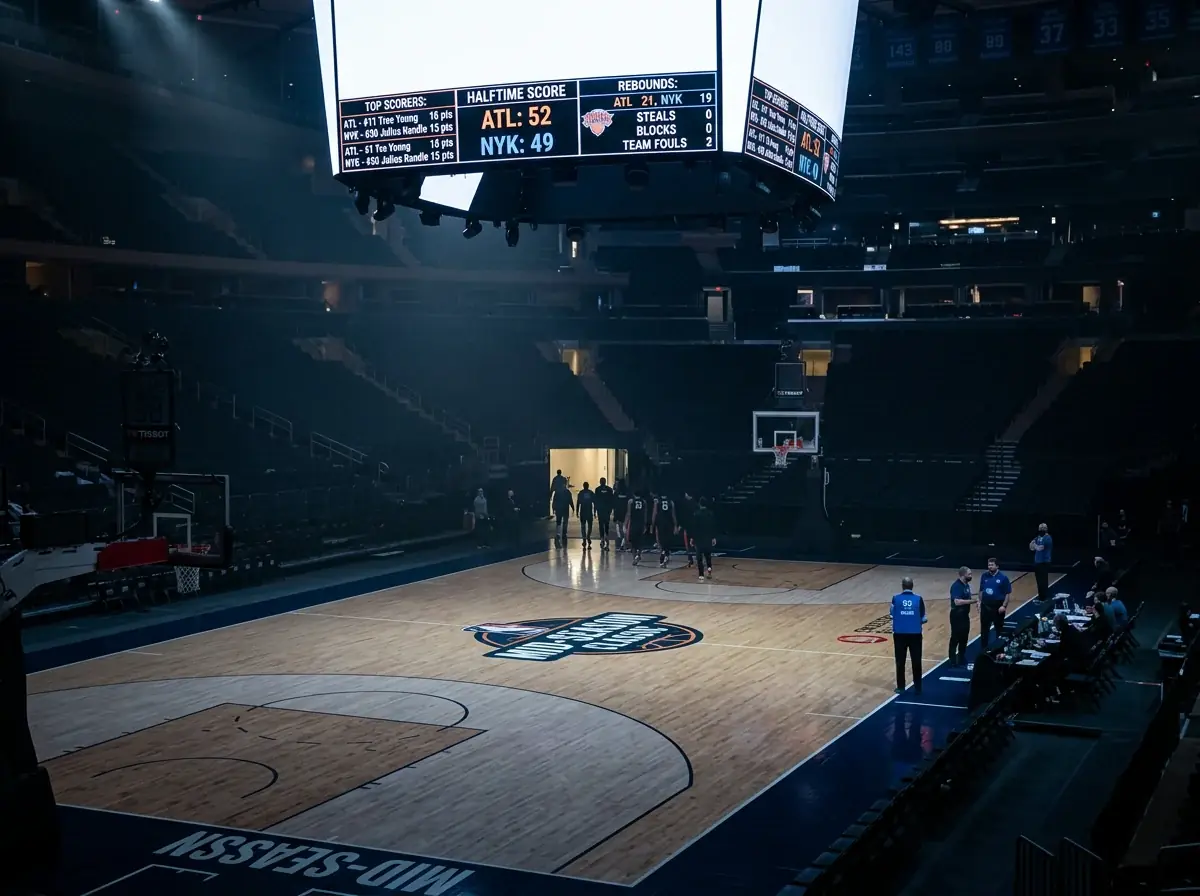
Halftime represents the most significant reset point. Coaching adjustments, defensive scheme changes, and simple rest can dramatically alter second-half trajectories. The team that dominated the first half doesn’t always dominate the second – and the live markets set at halftime often assume more continuation than actually occurs. This creates systematic opportunities for bettors who understand how halftime adjustments typically play out.
How Live Spreads Move During Games
Live spreads respond to the score, time remaining, and momentum in ways that create both opportunities and traps. Understanding the math behind live spread movements helps identify when markets are overreacting or underreacting to in-game developments.
The basic principle: live spreads adjust to reflect the current margin plus an estimate of expected margin change over remaining time. If the pre-game favourite was -6 and they lead by 10 at halftime, the live spread won’t simply become -16. It’ll be something like -8 or -9, reflecting that the trailing team is expected to close some of that gap on average.
Momentum overreaction creates live betting edges. When a team goes on a 12-0 run, live spreads move aggressively in their favour. But runs are rarely sustainable – what goes up often comes back down. Betting against the momentum team immediately after a big run captures value as the market overcorrects for the most recent five minutes of action.
Time remaining affects spread volatility non-linearly. Early in games, large leads don’t move spreads as much because plenty of time remains for correction. Late in games, the same margin produces larger spread adjustments because fewer possessions remain to change outcomes. This creates different value profiles for the same apparent situations depending on when they occur.
Key player situations move live spreads dramatically. A star player picking up his fourth foul early in the third quarter might shift the spread 2–3 points as markets price in his reduced minutes or potential fouling out. A key defender going to the bench with leg cramps has a similar effect. Being first to identify these situations creates live betting edges.
Track how specific sportsbooks adjust live spreads. Some use aggressive algorithms that move quickly; others rely on slower manual adjustments. Knowing which books react fastest helps you either capture value before adjustment or fade overreactions at the aggressive books.
NBA Comeback Statistics: When to Bet the Trailer
The trailing team in a live spread often represents value precisely because casual bettors prefer backing winners. But knowing when deficits are surmountable versus insurmountable separates profitable live betting from hope-based gambling.
Historical comeback data provides guideposts. Teams down 15 points at halftime win outright roughly 5-7% of the time – rare, but not impossible. More importantly for spread betting, they cover adjusted live spreads far more often than they win outright. A team getting +20.5 when down 15 has much better than 5% cover probability.
Deficit thresholds matter by time remaining. A 10-point deficit entering the fourth quarter is manageable for quality teams; the same deficit with three minutes left is nearly insurmountable. Live spread markets account for this, but sometimes imperfectly. Identifying situations where the market is too pessimistic (or optimistic) about remaining game time creates edges.
Team quality in deficit situations varies dramatically. Some teams fold when facing adversity – their defensive effort disappears, their shot selection deteriorates, and the deficit grows. Others tighten up, increase intensity, and claw back consistently. Knowing each team’s deficit response pattern adds crucial context to live trailing positions.
Pace considerations affect comeback probability. Fast-paced games allow more possessions for comebacks to materialise. Slow, grinding affairs limit comeback opportunities simply because fewer possessions remain. A 12-point deficit in a game averaging 95 possessions per 48 minutes is harder to overcome than the same deficit in a 108-possession track meet.
The psychological element matters too. Some franchises have cultures that thrive in comeback situations; others seem to accept defeat prematurely. This isn’t analytics – it’s pattern recognition from watching games. But it affects outcomes and creates value for bettors who recognise it.
One specific pattern I’ve tracked: teams with elite closers – stars who raise their games in crunch time – show higher comeback conversion rates than their overall talent suggests. When a team has a go-to scorer for late-game situations, deficits that seem insurmountable become manageable. The live market doesn’t always account for this clutch factor, creating value on trailing teams with proven closers.
Live Totals Betting: Pace Adjustments in Real-Time
Live totals betting rewards those who understand pace dynamics in real-time. The first quarter’s tempo provides information about how the remaining game will unfold, and markets don’t always incorporate that information efficiently.
A first quarter that produces 58 combined points suggests a pace that would reach 232 over four quarters if sustained. But pace rarely sustains perfectly. Coaches adjust, fatigue sets in, and game state (blowout vs close) affects fourth quarter dynamics. Live totals set after Q1 need to account for these regression patterns.
High-scoring first halves often lead to lower-scoring second halves than simple extrapolation suggests. Both teams may adjust defensively at halftime. The trailing team might slow pace deliberately to limit possessions. Foul trouble accumulated in the first half reduces available minutes for key offensive players. These factors create systematic under value on live totals after high-scoring first halves.
Close games entering the fourth quarter see pace compression. Teams protecting leads milk clock; teams chasing need to foul intentionally. But intentional fouling creates free throws that can inflate scoring unpredictably. The interaction between game state, pace, and fouling makes fourth quarter totals particularly volatile.
Blowouts create opposite dynamics. The leading team empties the bench and coasts; the trailing team may do the same if the deficit is insurmountable. Garbage time scoring tends to be inefficient – more turnovers, more rushed shots, more disengaged defence. Live totals in blowout situations often go under as both teams mentally check out.
Track first half scoring relative to the pre-game total. If the pre-game total was 224 and the first half produced 120 points, the implied second half total is 104. Does that seem reasonable given what you’ve watched? If the first half was unusually high-scoring due to hot shooting that seems unlikely to continue, live under offers value.
Overtime potential affects late-game live totals differently than most bettors expect. A close game heading into the final minutes has non-trivial overtime probability, which adds expected points to the total. Live unders in close games can lose to overtime even when fourth quarter scoring runs below pace. Factor overtime probability into your late-game totals analysis – it’s a hidden variable that catches many bettors off guard.
Live Player Props: In-Game Performance Markets
Live player props represent the sharpest edges in NBA in-play betting – and the fastest-moving markets. A player’s production through two quarters provides baseline information that pre-game props couldn’t capture, but the market’s adjustment to that information creates opportunities.
Foul trouble transforms live player props. A star player with three fouls at halftime will likely see reduced third quarter minutes as coaches protect him from fouling out. His live points, rebounds, and assists overs become significantly harder to hit, but markets sometimes underadjust. Conversely, his teammates who absorb those minutes see their props rise in value.
Hot shooting streaks create over-adjustment opportunities. A player who scores 18 in the first quarter isn’t necessarily going to hit 40. Regression is powerful in basketball – cold stretches follow hot streaks more often than continuation. Live overs on players off to fast starts often represent poor value; fading those hot starts sometimes offers better odds.
Game state affects player prop trajectories. A star player on a team down 25 in the fourth quarter won’t play meaningful minutes – his coach will rest him for future games. His pre-game over becomes effectively dead regardless of his first-half production. Recognising when game state has effectively ended a player’s night avoids chasing lost causes.
Injury and fatigue signals appear during games before they become official. A player grimacing after contact, a star sitting for extended stretches without explanation, a rotation player suddenly getting starter minutes – these visual cues precede formal announcements and create brief windows where live props haven’t adjusted to developing situations.
The speed of live prop markets demands quick decision-making. Edges that exist after a timeout may disappear by the next whistle. For bettors comfortable with rapid analysis and execution, live props offer the NBA’s most inefficient markets. For those who prefer deliberate handicapping, the speed may create more mistakes than opportunities.
NBA Live Betting Questions
Live betting introduces unique considerations that pre-game bettors rarely encounter. These questions address the mechanics and strategies specific to in-play wagering.
What time do NBA games start in the UK?
Most NBA games tip off between 00:00 and 04:00 UK time. Early evening US starts (7:00 PM Eastern) translate to midnight UK time, while West coast games starting at 10:30 PM Eastern don’t begin until 3:30 AM UK time. Weekend afternoon games offer more UK-friendly scheduling, typically starting between 5:00 PM and midnight UK time.
Which UK bookmakers offer the best NBA live betting?
Major UK-licensed bookmakers all offer NBA live betting with varying market depth and odds quality. The best choice depends on your priorities: some excel at live spread markets, others at player props. Compare live odds across multiple books before games to identify which consistently offers better numbers for your preferred bet types.
How quickly do live betting odds change during NBA games?
Live odds can change within seconds after significant game events – baskets, turnovers, fouls, or timeouts. During active play, markets may pause or show wider spreads to account for rapid score changes. The fastest adjustments occur around key moments: end of quarters, injury timeouts, and momentum-shifting plays.
Is live betting more profitable than pre-game betting?
Live betting offers larger potential edges but requires more skill, speed, and attention. Markets are less efficient during games because information flows rapidly and recreational bettors react emotionally to game action. However, competing against professional live bettors with sophisticated tools and faster feeds is challenging. Profitability depends on your ability to identify and execute on edges faster than the market adjusts.
Published by the Betting Stats nba team.