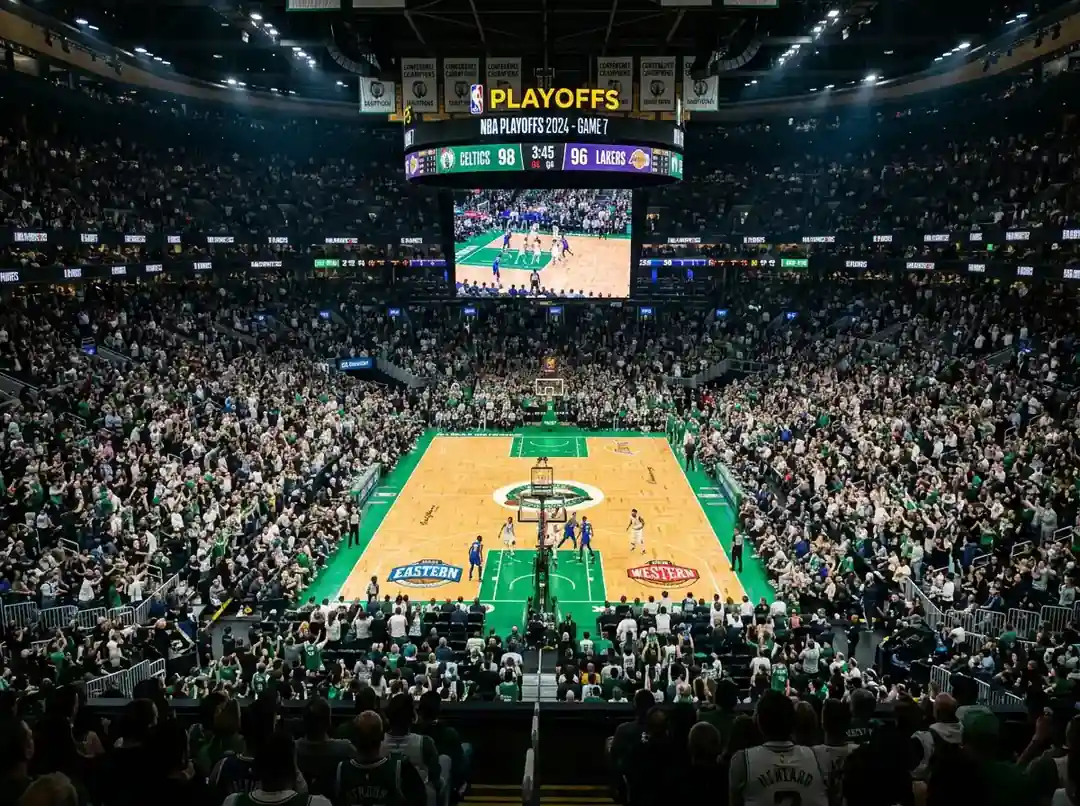
NBA Fourth Quarter Betting: Late Game Statistics
 Available in US
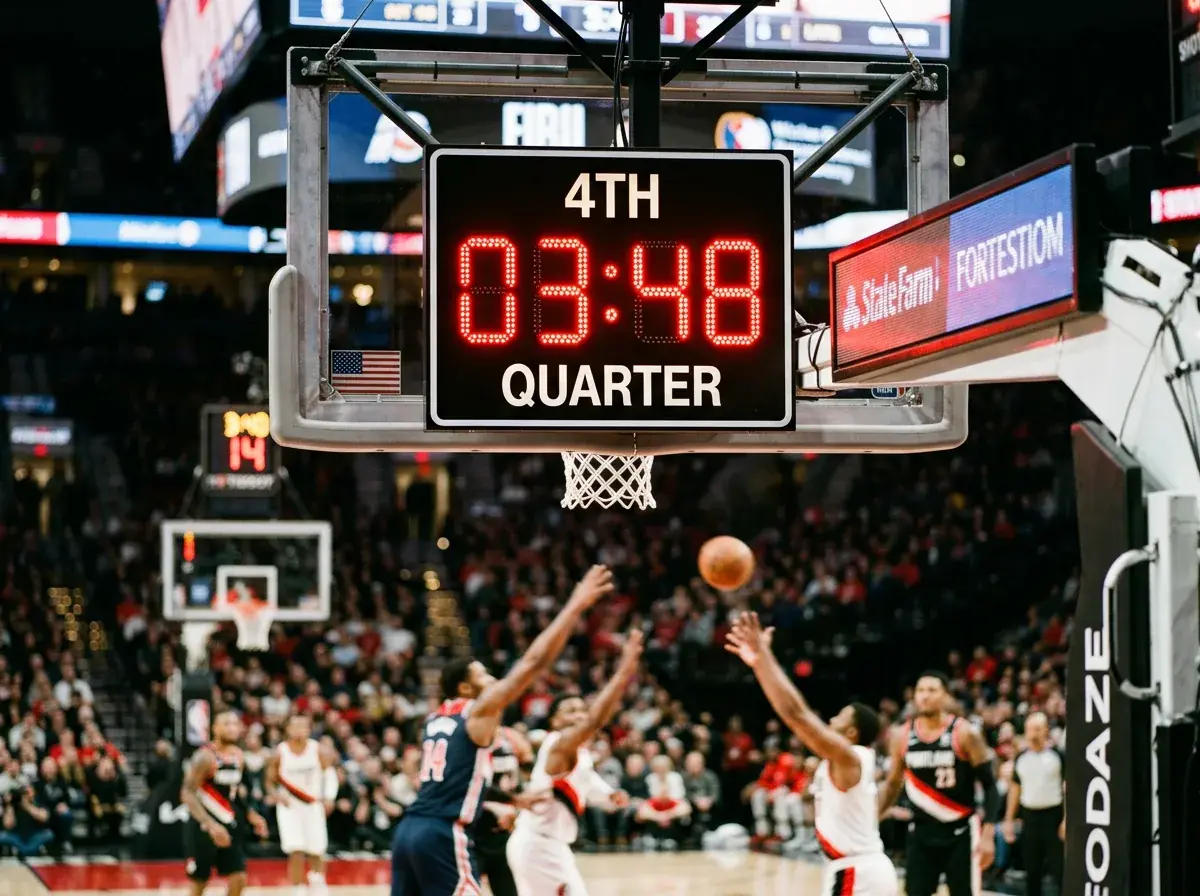
It was Game 4 of a playoff series, and I watched a 14-point third quarter lead evaporate in the final frame. The favorite that had been -350 live at the start of the fourth quarter lost outright. That night reinforced what I had been tracking for years: the fourth quarter is a different game entirely, with different dynamics, different personnel, and different betting implications than the first 36 minutes.
Live betting now dominates sports wagering – 62.35% of the US online market happens in-play. A significant portion of that action flows into NBA fourth quarters, where game states are clear, stakes are high, and line movement is constant. Understanding fourth quarter patterns is essential for anyone serious about in-game NBA betting.
NBA Fourth Quarter Scoring and Late Game Live Betting
The assumption that fourth quarters are high-scoring shootouts because both teams are trying to win is only half right. Game state – the score differential entering the final period – determines fourth quarter pace and scoring more than any other factor.
Close games produce elevated fourth quarter scoring. When the margin is within 6 points entering the fourth, both teams play their starters extended minutes, run their best plays, and push pace to create scoring opportunities. These games see fourth quarter totals that often exceed per-quarter averages from the first three periods.
Blowouts produce suppressed fourth quarter scoring. A team up 20 going into the fourth pulls starters, slows pace, and runs out the clock. The trailing team might also empty the bench, leading to sloppy basketball between second-unit players. These fourth quarters can see combined totals 15-20 points lower than competitive quarters.
I segment my fourth quarter analysis entirely by game state. A fourth quarter over bet in a close game is a completely different proposition than a fourth quarter over in a blowout. Treating all fourth quarters identically ignores the dominant variable.
Fatigue also manifests in fourth quarter shooting. Field goal percentages typically decline in the final period as legs tire. Free throw rates increase as teams intentionally foul to stop the clock. These efficiency shifts affect scoring in predictable ways that the live market sometimes fails to fully capture.
Clutch Performance Data
The NBA defines clutch time as the final five minutes of a game with the margin within five points. This is where stars earn their reputations – and where the betting market gets most volatile.
Clutch performance varies dramatically between players. Some stars elevate their efficiency under pressure. Others tighten up and defer to teammates. I maintain a database of clutch shooting percentages for primary scorers, and the variance is striking – 10-15 percentage point differences between players who look similar in regular game situations.
Teams with strong clutch performers tend to outperform their pre-game spread when games are close entering the fourth. The market prices in overall team quality but sometimes underweights the specific impact of elite closers. When I see a close game heading to the fourth with a proven clutch performer, I lean toward that side in live betting.
Coaching matters enormously in clutch situations. Some coaches run effective late-game sets that generate quality looks. Others resort to isolation basketball that produces contested shots. I track coaching tendencies in close games alongside player data – the combination of a good closer with a good play-caller is particularly valuable.
The psychological component cannot be quantified but deserves consideration. Teams that have experienced late collapses earlier in the season sometimes show hesitation in fourth quarter execution. Teams that have pulled out tight wins play with confidence. These patterns do not show up in traditional stats but influence outcomes.
Blowout vs Close Games
The single most important question entering any fourth quarter live bet: is this game competitive or decided? The betting approach differs completely between scenarios.
In competitive games, I focus on spread and moneyline markets. The outcome remains uncertain, and live lines fluctuate with each possession. Value emerges when the market overreacts to momentum swings – a 6-0 run that moves the live spread 3 points often overcorrects. Patience to fade emotional line moves pays dividends.
In decided games, I pivot to totals and props. The spread outcome is essentially locked, but the total points remain in play. Fourth quarter totals in blowouts trend under because pace slows and bench players lack the execution to score efficiently. I bet unders on fourth quarter totals when the lead exceeds 15 points entering the period.
The transition zone between competitive and decided creates the trickiest situations. A 10-12 point lead can evaporate or expand. The trailing team might mount a run that changes game state, or the leading team might extend the margin and trigger garbage time. I avoid betting this middle ground unless I have strong conviction about which direction the game state will move.
One pattern I have identified: teams that lead by 8-14 points entering the fourth often cover fourth quarter spreads at elevated rates. They have enough cushion to manage the game but not so much that they abandon effort. The trailing team pressing for a comeback creates turnovers and fast break opportunities that extend margins.
Garbage Time Totals
Garbage time – when the outcome is decided and starters rest – creates its own betting ecosystem. Understanding how garbage time affects totals is essential for fourth quarter bettors.
The popular assumption is that garbage time inflates totals because defenses relax and scoring comes easy. My data tells a different story. Garbage time actually suppresses scoring more often than it inflates it. Here is why.
Pace drops dramatically in garbage time. The leading team has no incentive to push, and the trailing team often just runs their sets without urgency. Possessions that would have been fast breaks become halfcourt sets. The number of scoring opportunities decreases even as defensive intensity wanes.
Bench players are less efficient than starters, both offensively and defensively. Sloppy passes, forced shots, and poor spacing characterize garbage time basketball. More possessions end in turnovers rather than made baskets compared to competitive basketball.
I track garbage time scoring rates separately from competitive fourth quarter rates. The differential is meaningful – garbage time quarters average 3-5 fewer combined points than competitive fourth quarters in my dataset. This creates systematic value on fourth quarter unders in blowout situations.
The exception is when one team has a star player chasing individual milestones. A player needing a few more points or rebounds for a triple-double might stay in longer than game state warrants. A player approaching a scoring milestone might shoot frequently even in garbage time. These individual motivations can override the typical garbage time scoring patterns.
Live Betting Strategy for Final Period Action
Tying all of this together into a coherent fourth quarter live betting strategy requires discipline and real-time assessment skills.
Before the fourth quarter begins, I establish my assessment: competitive or decided? If competitive, which team has the clutch advantage? If decided, what is the expected pace and how does that affect remaining totals?
My default approach in competitive fourth quarters is patience. I wait for overreactions rather than chasing movement. A team that hits two consecutive threes to cut a lead from 8 to 2 often sees their moneyline price collapse beyond what the situation warrants. The leading team remains in control but the market prices them as if they are collapsing. Those overreactions create value.
Position sizing for fourth quarter bets is smaller than my pre-game wagers. The speed of line movement means I cannot always exit if my read is wrong. The higher variance of small-sample situations – one quarter versus a full game – increases volatility. Smaller bets limit downside while still capturing the value I identify.
I track fourth quarter performance separately in my records. This segmented analysis reveals whether my live strategy adds or subtracts from my overall results. For a deeper look at in-game betting across all periods, the live betting statistics analysis covers the broader landscape.
The fourth quarter is where games – and bets – are decided. Approaching it with specific strategy rather than general intuition creates edge in the market segment where the most action flows.
Do teams score more or less in the fourth quarter?
It depends entirely on game state. Close games see elevated fourth quarter scoring as teams compete intensely. Blowouts see suppressed scoring as starters rest and pace slows. Segmenting by score differential entering the fourth is essential for accurate prediction.
How does garbage time affect fourth quarter totals?
Garbage time typically suppresses scoring despite defensive relaxation. Reduced pace, inefficient bench players, and lack of urgency create fewer scoring opportunities. Fourth quarter unders in blowout situations have shown value in historical data.
When is the best time to place live bets in the fourth quarter?
Wait for emotional overreactions rather than chasing momentum. Big scoring runs often move lines beyond what the situation warrants. Patience to fade these overreactions creates value. Avoid betting during the uncertain transition zone between competitive and decided games.
Prepared by the Betting Stats nba editorial staff.